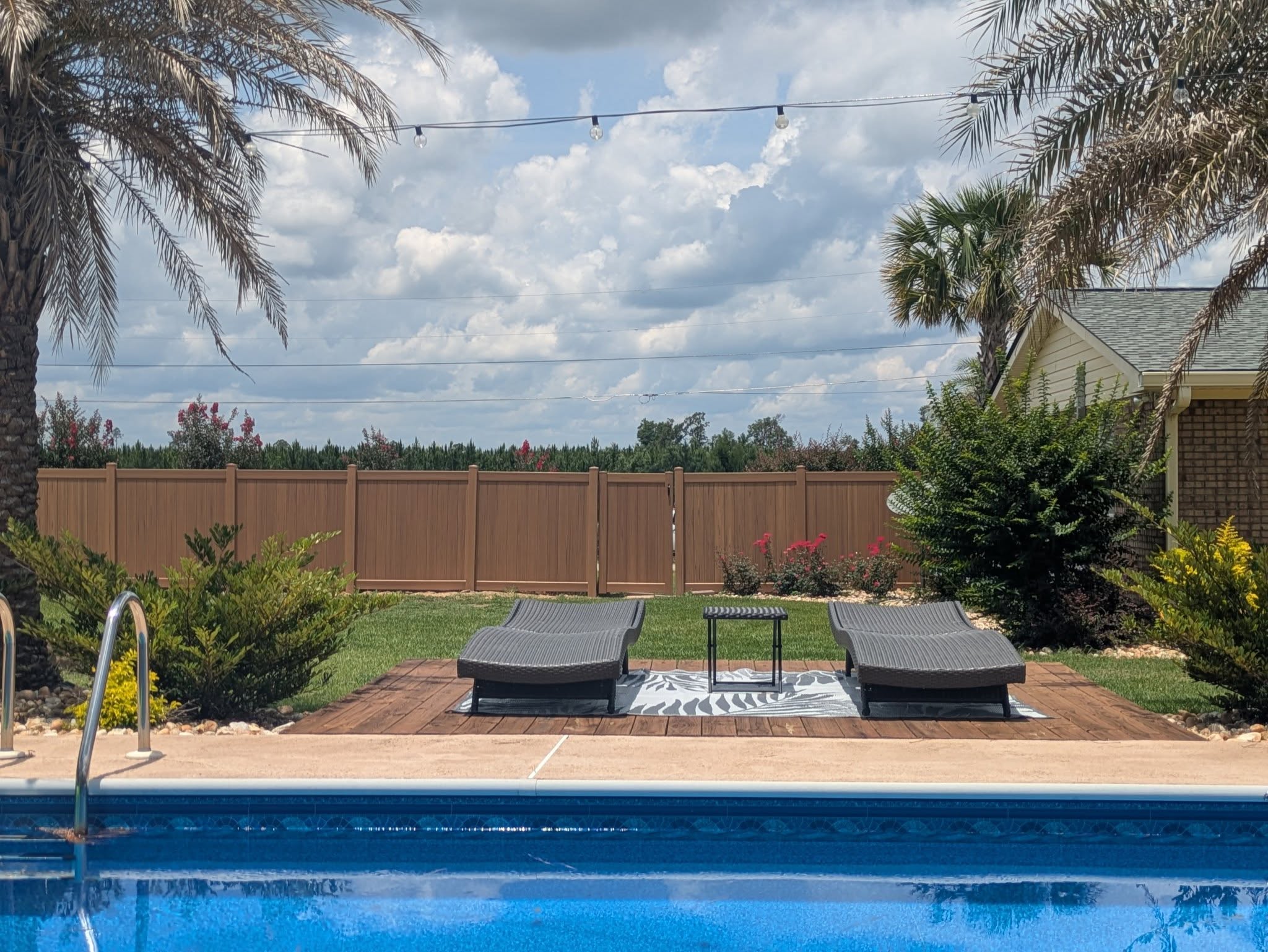
Why Vinyl Fencing is the Eco-Friendly Choice for Your Home Mar 19, 2026
Understanding the Impact of Fencing Materials
Traditional fencing materials like wood and metal have several environmental drawbacks. Wood fences, while initially less expensive, often require chemical treatments to withstand weather conditions and pests, which can leach into the soil over time. Additionally, wood fences need to be replaced more frequently, leading to more trees being cut down. Metal fences can cause environmental concerns related to mining and smelting processes, which use significant energy and resources.
Vinyl Fencing: An Eco-Conscious Choice
Vinyl fencing, on the other hand, is made from polyvinyl chloride (PVC), which is known for its longevity and low maintenance. This durability results in fewer replacements compared to other materials, significantly reducing the environmental impact over time. A vinyl fence can last up to 30 years or more, making it a sustainable long-term investment for your home.
Furthermore, modern manufacturing processes for vinyl have become more environmentally friendly. Many vinyl products are made from recycled materials and are themselves recyclable at the end of their lifespan. This closed-loop lifecycle means less waste and resource consumption, positioning vinyl fencing as a responsible choice for eco-conscious homeowners.
Low Maintenance, High Sustainability
One of the most appealing aspects of vinyl fencing is its low-maintenance nature. Vinyl does not require painting or staining, which means you avoid the potentially harmful chemicals found in these products. Simply washing your fence with soap and water is sufficient to keep it looking new, reducing the need for chemical-laden cleaners.
Additionally, the sturdiness of vinyl means it is less likely to be damaged by weather elements, decreasing the need for repairs and further reducing resource use. This inherent durability not only saves you time and money but also contributes to a more sustainable lifestyle.
Energy-Efficient Production Techniques
Another significant advantage of vinyl fencing is the energy-efficient production process. Vinyl fences use less energy to produce and generate fewer greenhouse gases compared to metal fencing. Advances in manufacturing technology have also led to innovative methods that further reduce emissions and conserve energy, underscoring vinyl’s eco-friendliness.
Conclusion: Making the Right Choice for Your Home and Planet
Choosing vinyl fencing for your home offers multiple environmental benefits while still delivering on the essential criteria of durability, aesthetic appeal, and cost-effectiveness. With Corbitt Vinyl Products, you can rest assured that your investment in vinyl fencing is contributing to a healthier planet.
As more homeowners become aware of the importance of sustainable practices, vinyl fencing stands out as a leading option for eco-conscious home improvement. By selecting vinyl, you not only enhance your home’s exterior but also support a more sustainable future.
If you’re ready to make the switch to vinyl fencing or want to learn more about how it can improve both your property and the environment, contact Corbitt Vinyl Products today. Our team is eager to assist you in finding the perfect fencing solution that aligns with your values and needs.
/filters:no_upscale()/filters:format(webp)/media/9f608891-3add-416c-8ed6-62816a56f1ab.jpg)
/filters:no_upscale()/filters:format(webp)/media/0213d425-a88d-4af6-8aef-2da596841251.jpeg)