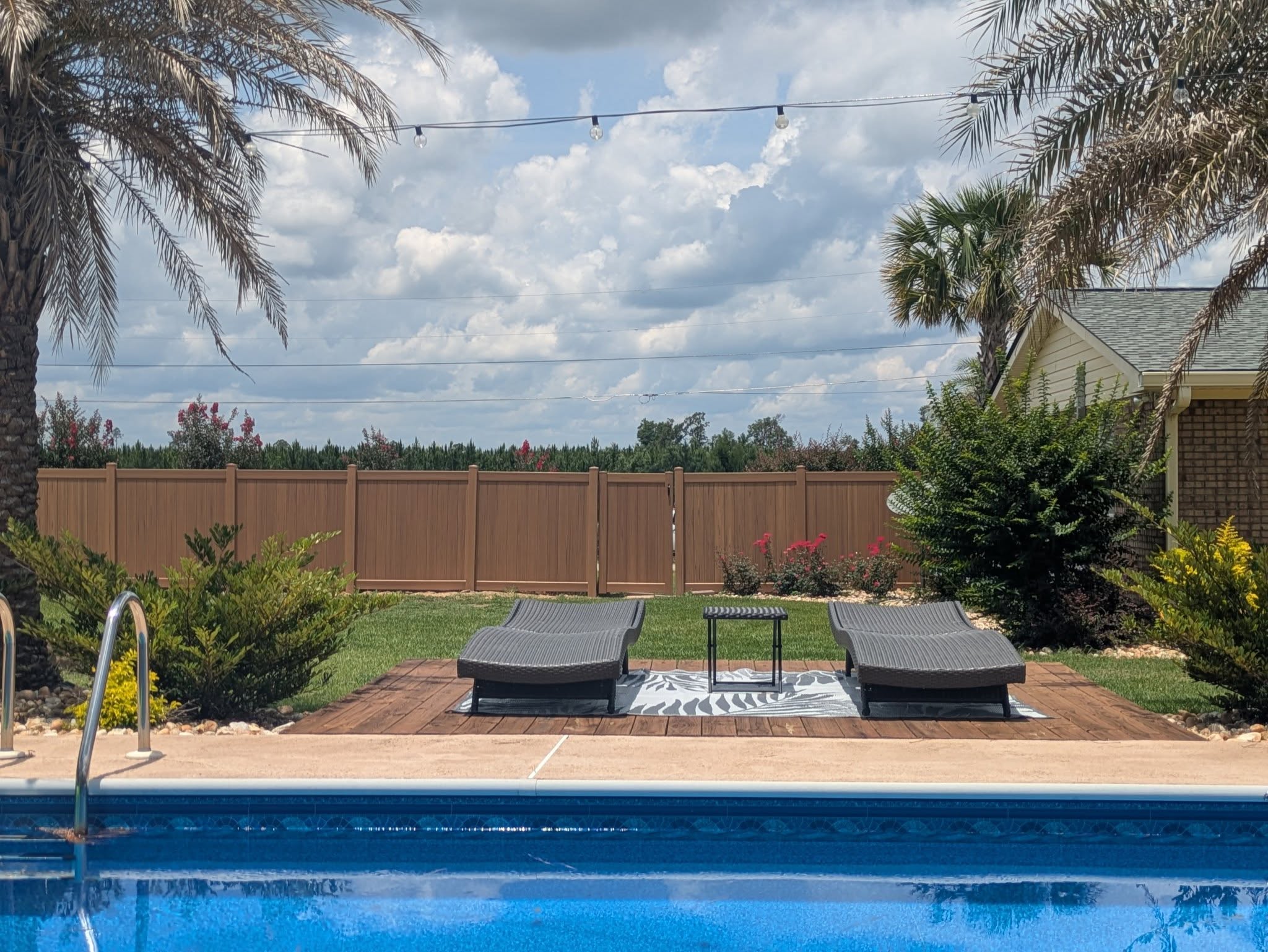
Weathering the Elements: How Vinyl Fences Perform in Different Climates May 20, 2026
First and foremost, one of the standout benefits of vinyl fences is their remarkable resistance to weathering. In contrast to wooden fences that may rot, warp, or splinter under adverse conditions, vinyl fences maintain their structural integrity and appearance for years. This feature is largely due to the composition of vinyl material, which includes additives that protect against ultraviolet (UV) degradation. This means whether you're in a sunny region like the Southwest or a snowy climate in the Northeast, vinyl fences will resist fading and discoloration.
In hot, sunny climates, where the sun’s rays are harsh and relentless, vinyl fences shine. They are designed to withstand high temperatures without becoming brittle or vulnerable to cracking. The superior composition of the vinyl used by Corbitt Vinyl Products ensures that fences endure the heat and maintain their quality over time, offering homeowners peace of mind in sun-soaked locales. Furthermore, the UV protection embedded in the vinyl formula plays a crucial role in preventing sun damage and retaining the fence's vibrant appearance.
If you live in an area prone to rain and humidity, vinyl fences offer excellent water resistance. While metal fences might rust and wooden fences could rot or become infested with termites, vinyl is impervious to moisture. This quality makes vinyl fencing an ideal choice for coastal regions or tropical climates, where heavy rainfall is common. The non-porous surface of vinyl fences prevents the absorption of water, eliminating concerns of swelling or decaying that typically plague other materials.
Meanwhile, in cooler regions that experience harsh winters, questions often arise about the capability of vinyl fences to cope with snow and freezing temperatures. The engineering behind Corbitt’s vinyl fencing includes flexibility that enables it to expand and contract slightly with temperature changes without suffering damage. While no fencing material is entirely immune to extreme physical impacts from heavy snow loads or moving ice, vinyl remains an excellent choice for withstanding these conditions when properly installed and maintained.
Finally, vinyl fences are less likely to be affected by wind damage than some other fencing options. With reinforced posts and panels designed to interlock securely, vinyl fences constructed by Corbitt Vinyl Products are capable of withstanding strong winds that accompany thunderstorms or hurricanes, particularly when the fence is built to meet specific regional wind ratings.
Vinyl fences offer a versatile and resilient solution for a variety of weather conditions. With the assistance of professionals like Corbitt Vinyl Products, you can ensure your fence is tailored to your specific climatic needs, providing a reliable and attractive boundary for your property. By understanding how vinyl fences perform across different climates, you can make a confident investment in a fence that not only meets your aesthetic desires but also offers long-term durability tailored to your environment. Whether facing the harsh rays of a desert sun or the weight of winter snow, vinyl fencing stands prepared to weather the elements and offer enduring performance.
/filters:no_upscale()/filters:format(webp)/media/9f608891-3add-416c-8ed6-62816a56f1ab.jpg)
/filters:no_upscale()/filters:format(webp)/media/0213d425-a88d-4af6-8aef-2da596841251.jpeg)