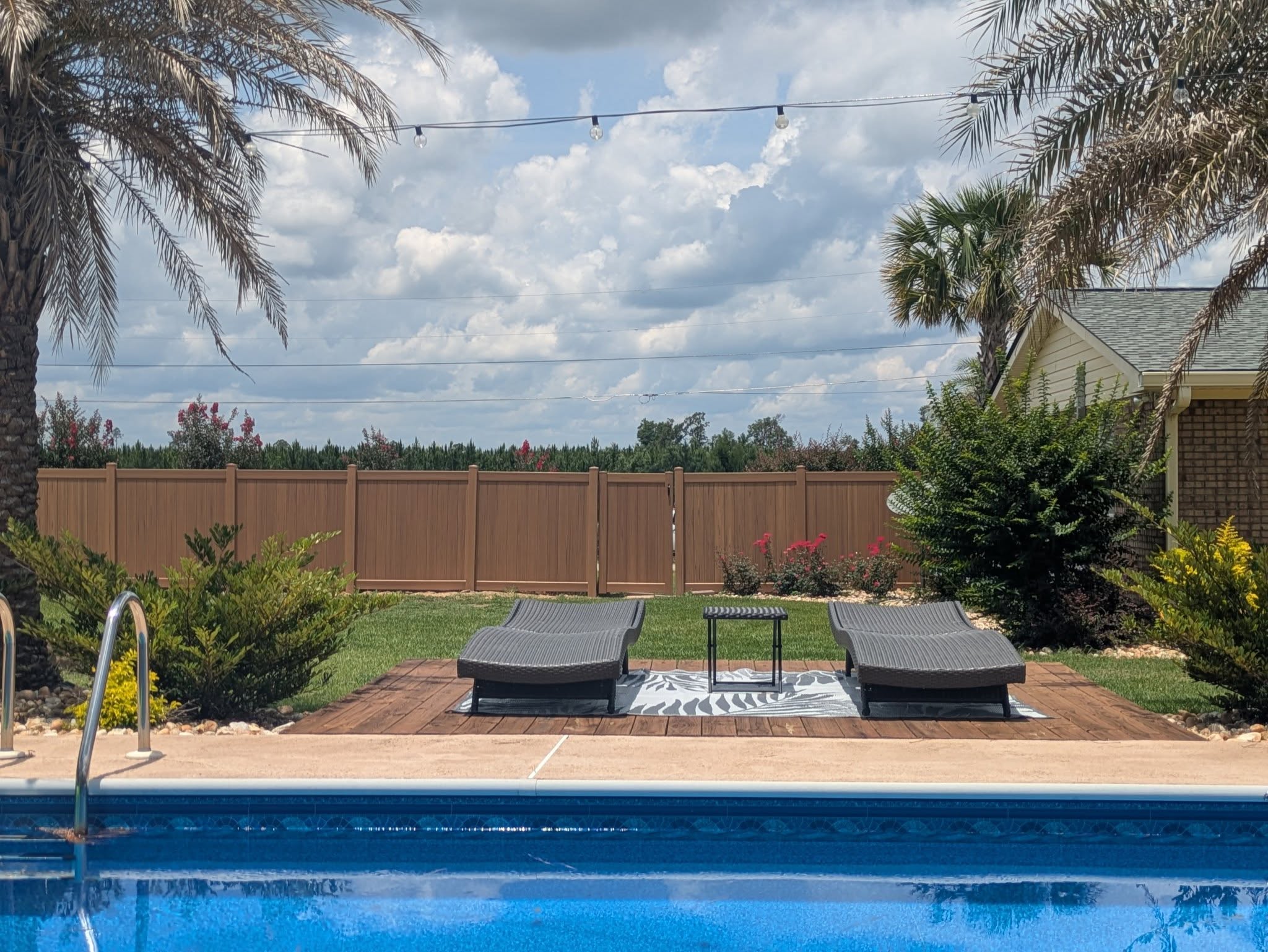
Understanding the Environmental Benefits of Modern Vinyl Fencing Solutions Jun 17, 2026
Vinyl fencing stands out primarily because of its longevity. Unlike wood or metal fences that may need replacing every few years due to rot, rust, or pests, high-quality vinyl fences can last decades with minimal maintenance. This durability means fewer resources consumed over time, less waste in landfills, and a reduced need for frequent manufacturing processes that drain energy and natural materials.
One of the cornerstone environmental benefits of vinyl fencing is its recyclability. Vinyl, or polyvinyl chloride (PVC), can be recycled and repurposed effectively. At the end of its life cycle, a vinyl fence can be recycled into other products, which means you contribute less to the accumulation of non-biodegradable waste. Companies like Corbitt Vinyl Products often prioritize sourcing materials that can be recycled, thereby closing the loop in the production process and supporting sustainable practices.
Vinyl fencing requires little to no toxic chemicals for maintenance. Traditional wood fences often need chemical treatments to prevent decay and pest infestation, contributing to toxic runoff that can harm local ecosystems. In contrast, vinyl fences maintain their appearance without the need for harmful paints or sealants. A simple cleanse with water and soap suffices to keep them looking new, reducing the introduction of pollutants into the environment significantly.
Moreover, choosing vinyl can have a positive impact on conservation efforts. By opting for vinyl over wood, you help decrease deforestation. Considering the significant role forests play in absorbing carbon dioxide and hosting biodiversity, opting for a material that doesn't contribute to forest depletion is a choice that echoes positively beyond personal property borders.
Additionally, the lightweight nature of vinyl fencing results in lower transportation emissions. Shipping materials long distances contribute substantially to carbon footprints. Vinyl's lightness compared to heftier wood or metal means more efficient transportation, thus demanding less fuel and reducing greenhouse gas emissions.
Incorporating modern design, vinyl fences also cater to what's known as "green building" standards. Many builders and landscape architects now aim to meet criteria that enhance environmental performance. Notably, using vinyl can contribute to meeting these standards due to its durability, recyclability, and reduced maintenance needs.
In conclusion, when you choose vinyl fencing from Corbitt Vinyl Products, you're not only investing in a reliable, aesthetically pleasing barrier for your property. You're also making a responsible choice that aligns with environmental sustainability. As more people recognize the need for eco-friendly solutions in everyday decisions, taking steps to understand and opt for greener products in your home is an excellent step forward. Whether it's the low maintenance, the avoidance of harmful chemicals, or the longevity that appeals to you, the environmental benefits of vinyl fencing are multifaceted, valuable, and undeniably worth considering.
/filters:no_upscale()/filters:format(webp)/media/9f608891-3add-416c-8ed6-62816a56f1ab.jpg)
/filters:no_upscale()/filters:format(webp)/media/0213d425-a88d-4af6-8aef-2da596841251.jpeg)