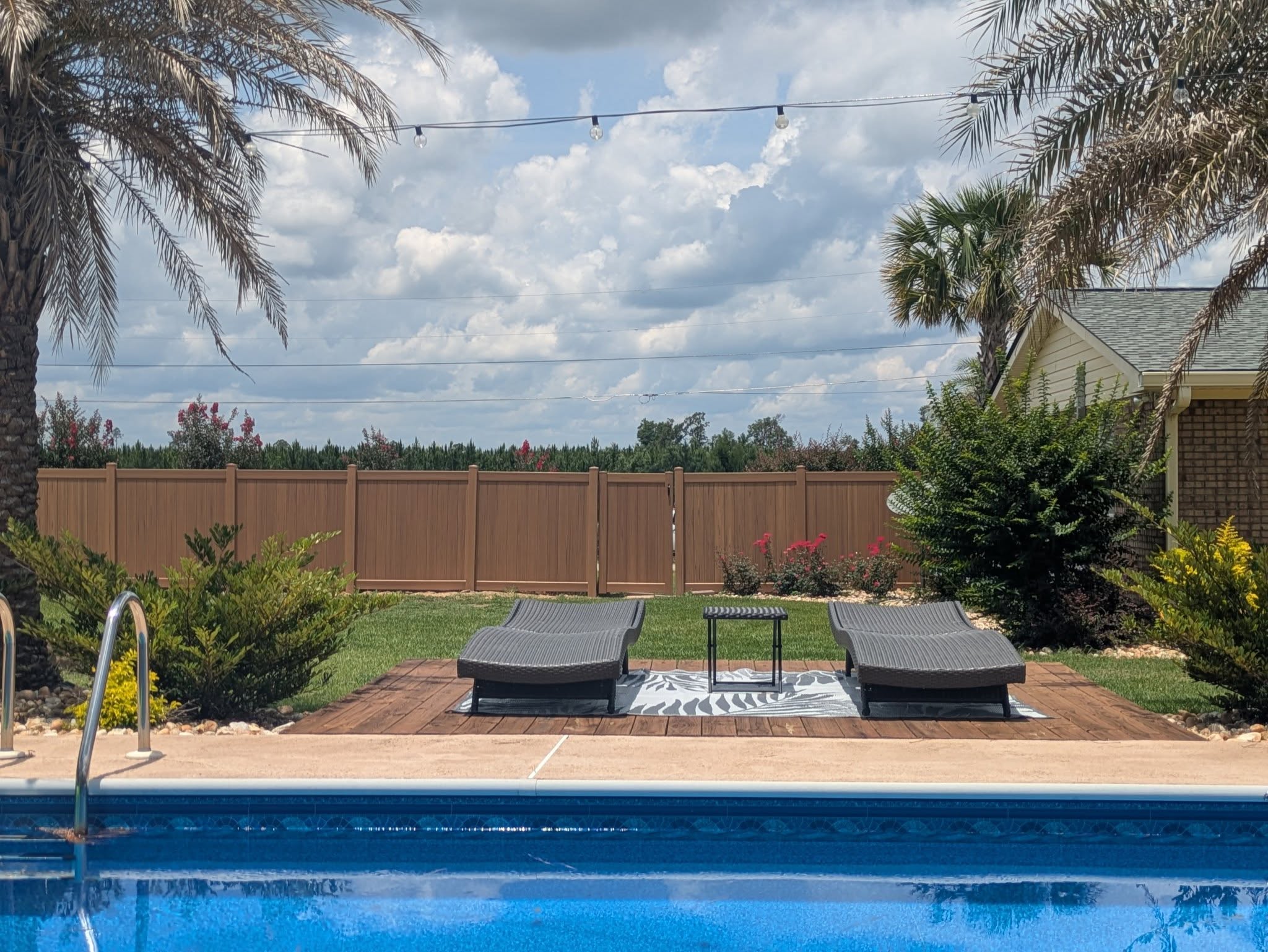
The Environmental Benefits of Vinyl Fencing: A Deep Dive into Its Green Advantages Jun 30, 2026
Vinyl fencing, also known as PVC (polyvinyl chloride) fencing, is celebrated for its durability and minimal maintenance needs. Unlike traditional wood fences, vinyl does not require harmful chemical treatments to withstand the elements. This means that choosing vinyl instead of wood reduces chemical pollutants released into the environment, which is a major benefit to both the planet and your local surroundings.
From a longevity perspective, vinyl fencing stands out as an environmentally friendly option. Vinyl has an impressive lifespan, often lasting decades without the need for replacement. This durability reduces the demand for raw materials and the overall consumption associated with more frequently replaced fencing options like wood or metal. Not only does this mean less waste in landfills, but it also reduces the need for ongoing production, which often exerts environmental strain through resources and energy consumption.
Another significant environmental benefit of vinyl fencing is its non-toxic nature. Unlike treated wood that can leach chemicals into the soil over time, vinyl is inert. It does not emit harmful chemicals, making it a safer choice for families, pets, and plant life. This quality also supports soil health, an essential aspect of any eco-conscious gardening or landscaping plan.
In terms of energy efficiency, the production process of vinyl fencing is less energy-intensive compared to that of other materials. Many manufacturers follow environmentally responsible practices, with some using recycled materials to create their vinyl products. This recycling reduces the environmental footprint by repurposing industrial scrap and reducing resource extraction from the earth.
The maintenance of vinyl fencing further highlights its sustainable nature. Unlike wood fencing, which requires periodic staining or painting to maintain its appearance and protection, vinyl fencing only requires occasional washing with soap and water. This reduction in maintenance not only saves time and effort but also minimizes the use of potentially harmful substances that are a part of painting and staining processes.
For those looking to further their green footprint, vinyl fencing is highly recyclable. At the end of its useful life, vinyl can be taken to recycling facilities where it is broken down and reprocessed for new products, including new fencing materials. This closed-loop system reduces waste and contributes to a more sustainable lifecycle for the fencing material.
In conclusion, as homeowners grow increasingly conscious of their environmental impact, vinyl fencing presents a compelling choice for those seeking sustainability without sacrificing quality or aesthetics. The environmental benefits of vinyl fencing, from reduced waste to its recyclability, make it an exceptional option for eco-conscious projects. At Corbitt Vinyl Products, we are committed to providing solutions that not only enhance the beauty and security of your property but also align with environmentally responsible practices. By choosing vinyl fencing, you take a step closer to sustainable living, contributing positively to the planet while enjoying the myriad practical benefits it offers.
/filters:no_upscale()/filters:format(webp)/media/9f608891-3add-416c-8ed6-62816a56f1ab.jpg)
/filters:no_upscale()/filters:format(webp)/media/0213d425-a88d-4af6-8aef-2da596841251.jpeg)