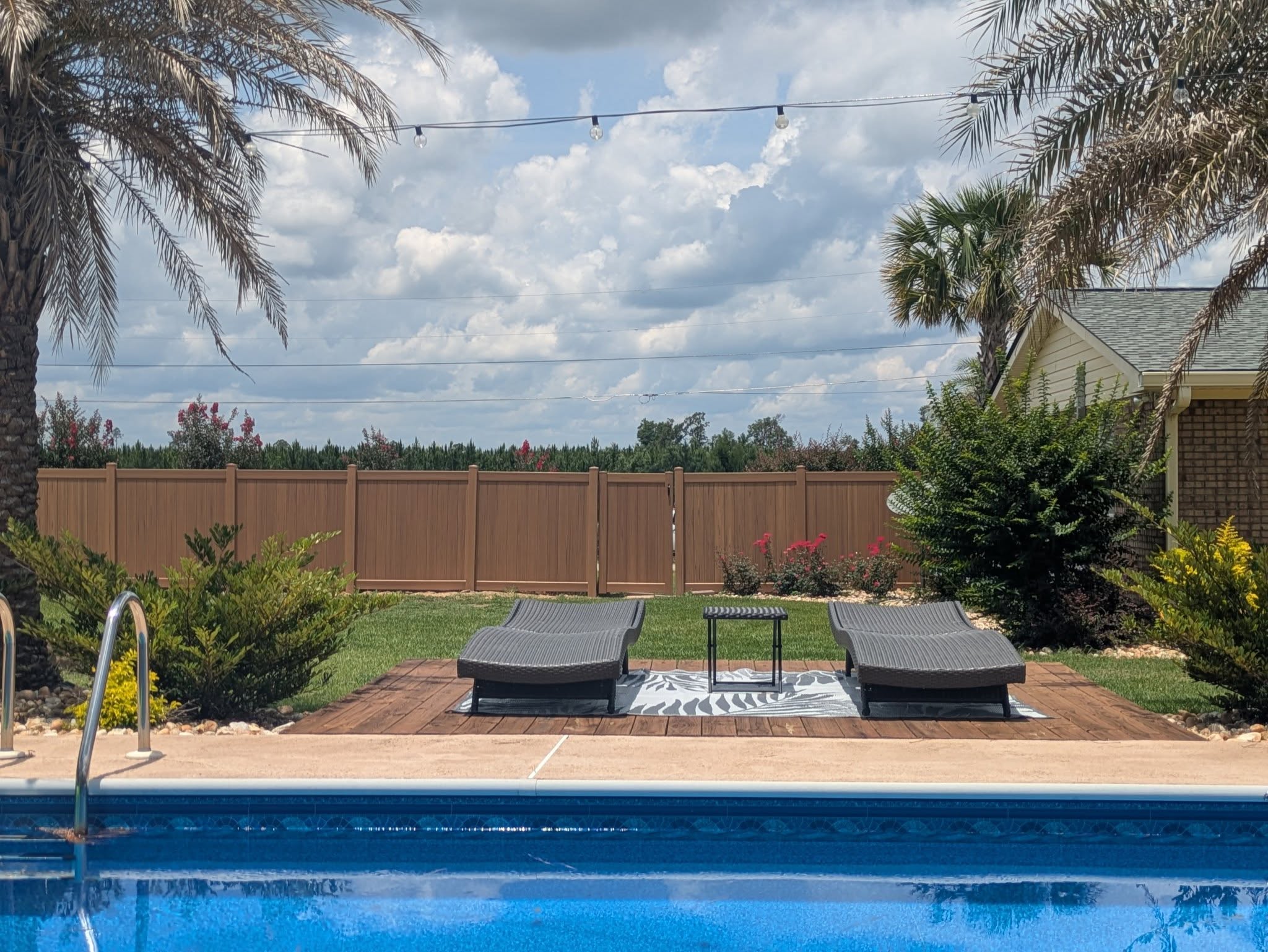
Navigating Regulations: Compliance and Best Practices for Vinyl Fencing Installations Jul 06, 2026
To begin with, it is important to recognize the significance of local regulations in fencing projects. Municipal codes and homeowners association (HOA) guidelines can dictate various aspects of your fencing project, including height restrictions, materials, and even the color of the vinyl fence. Before purchasing materials or starting any work, consult with your local zoning office and HOA to obtain necessary approvals. This not only prevents violations but also aligns your project with community standards.
A crucial step in ensuring compliance is obtaining the appropriate permits. In many areas, a permit is required for fencing installations, especially for certain heights or types of materials. Failing to secure these permits can result in fines and potential removal of your fence. Therefore, consider making a call or visit to your local permitting office as part of your initial planning process. Corbitt Vinyl Products can provide insights and specific guidance tailored to your local requirements, ensuring a smoother path to compliance.
Understanding property boundaries is another essential component of compliance. Installing a vinyl fence within your property lines sounds straightforward, but problems can arise if precise measurements aren't made. Have a professional survey your property if there are any uncertainties. This precludes disputes with neighbors and guarantees the fence is placed accurately. Keep in mind that there might be setback requirements specifying how far the fence must be from roads, sidewalks, or adjacent properties.
Besides legal requirements, best practices in vinyl fencing installations also play a critical role in the longevity and performance of your fence. Start with high-quality materials supplied by reputable providers like Corbitt Vinyl Products, known for their durability and resistance to weather conditions. When installing, ensure that posts are deeply embedded using concrete to provide optimum stability. This is particularly important in areas prone to high winds or severe weather.
Regular maintenance, although minimal for vinyl fences, contributes significantly to their long lifespan. Regular cleaning with soap and water will keep your fence looking fresh. Inspecting for damage, such as cracks or loose posts, and addressing issues promptly will also help maintain the integrity and appearance of the fence over the years.
In conclusion, a successful vinyl fence installation involves more than just choosing the right materials. It requires understanding and complying with local regulations and following best practices from start to finish. Being mindful of these steps not only ensures legality but also the satisfaction and longevity of your investment. Leveraging the expertise and quality products from Corbitt Vinyl Products can simplify much of this process, giving you peace of mind that your vinyl fencing installation will stand the test of time.
/filters:no_upscale()/filters:format(webp)/media/9f608891-3add-416c-8ed6-62816a56f1ab.jpg)
/filters:no_upscale()/filters:format(webp)/media/0213d425-a88d-4af6-8aef-2da596841251.jpeg)